

Understanding Chiropractic Care
Chiropractic is a healthcare profession focused on the assessment, diagnosis and conservative management of musculoskeletal conditions, particularly those affecting the spine, joints, muscles and nervous system.
Rather than simply treating symptoms, chiropractic care aims to understand the underlying factors contributing to pain or reduced function. Treatment focuses on improving movement, supporting recovery and helping people return to their daily activities with greater comfort and confidence.
Whether you are experiencing back pain, neck pain, headaches, sports injuries or joint discomfort, chiropractic care offers an individualised approach based on your symptoms, clinical examination and personal goals.
The Philosophy of Chiropractic
Modern chiropractic is based on the understanding that the body's structures and the nervous system work together to support movement, coordination and overall physical function.
The Association of Chiropractic Colleges (ACC) defines chiropractic as:
"A healthcare discipline that emphasises the body's inherent recuperative power to heal itself without the use of drugs or surgery. The practice of chiropractic focuses on the relationship between structure—primarily the spine—and function, as coordinated by the nervous system, and how that relationship affects the preservation and restoration of health."
While chiropractic has evolved considerably since this definition was first adopted, the core principle remains the same: helping people move better, function better and live more active lives through evidence-informed conservative care.
The Role of the Nervous System
The nervous system is the body's communication network.
Every second, it receives information from your:
- joints
- muscles
- ligaments
- skin
- eyes
- inner ear
This constant flow of information allows the brain to coordinate movement, maintain balance, control posture and adapt your body to the demands of everyday life.
When joints become stiff or muscles remain tense for prolonged periods, these sensory signals may be altered. Chiropractic care aims to optimise joint and muscle function, helping to support efficient movement and healthy communication between the body and the nervous system.
Why Is Joint Mobility Important?
Healthy joints are designed to move freely, smoothly and without pain.
When normal movement becomes restricted, it may lead to increased mechanical stress, muscle overuse and compensatory movement patterns elsewhere in the body.
Over time, these changes can reduce flexibility, affect physical performance and contribute to discomfort during everyday activities.
One of the primary goals of chiropractic care is to restore normal joint motion where appropriate, allowing the body to move more efficiently and comfortably.
What Is the Goal of Chiropractic Care?
Many people believe chiropractors only treat back pain or neck pain because spinal care is such an important part of the profession.
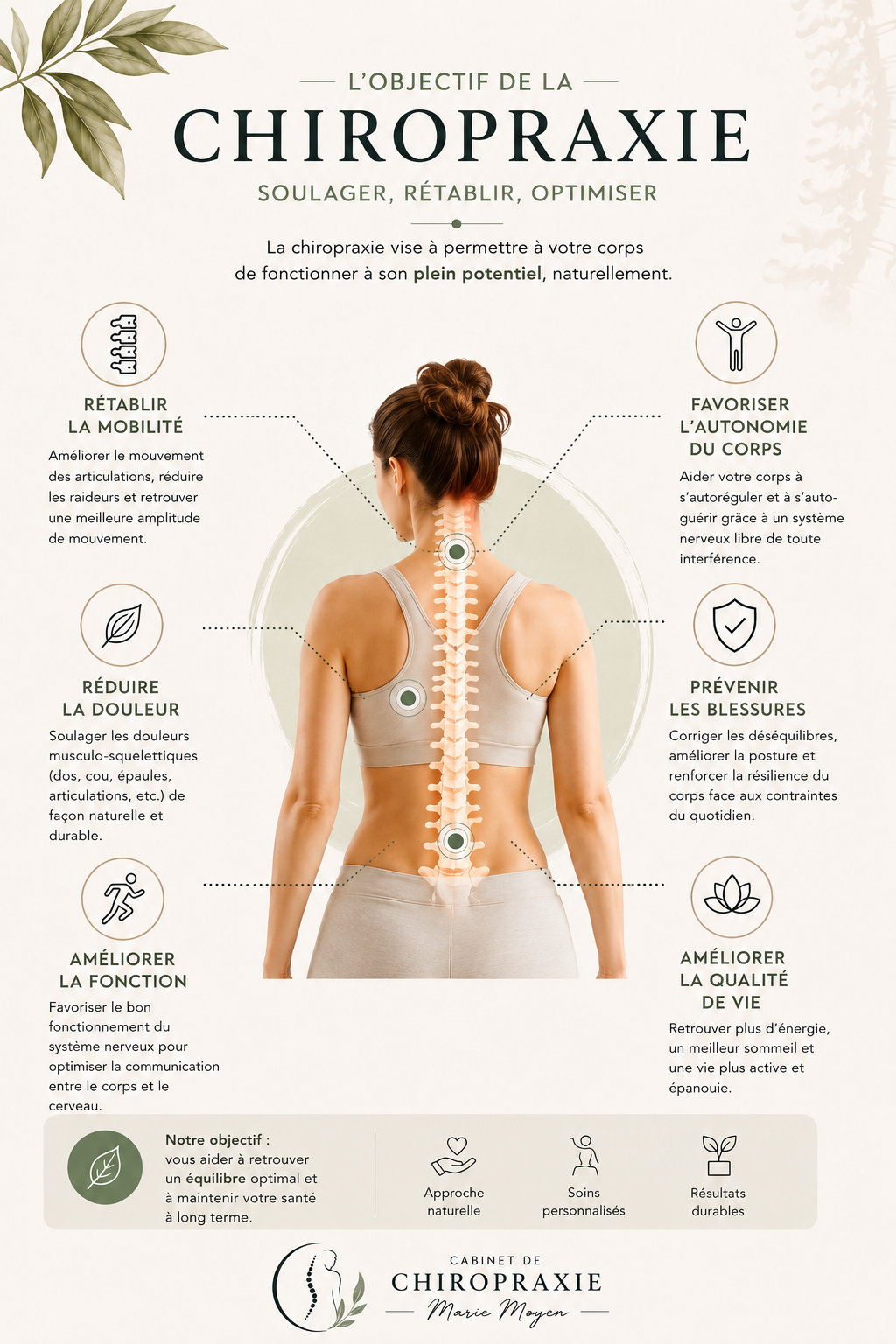
While these conditions are among the most common reasons people seek chiropractic care, the goal extends beyond pain relief alone.
Modern chiropractic aims to improve the way your body moves and functions. By addressing joint mobility, muscle function, movement patterns and physical capacity, care is designed to help you recover from injury, reduce recurrent problems and support long-term musculoskeletal health.
Every treatment plan is tailored to the individual. Age, lifestyle, occupation, medical history, physical activity and personal goals are all considered when developing your care plan.
Chiropractic care may be appropriate for people of all ages, from children and athletes to pregnant women, working adults and older individuals, when clinically indicated.
Benefits of Chiropractic Care
Many people seek chiropractic care because they want to move more comfortably and remain active.
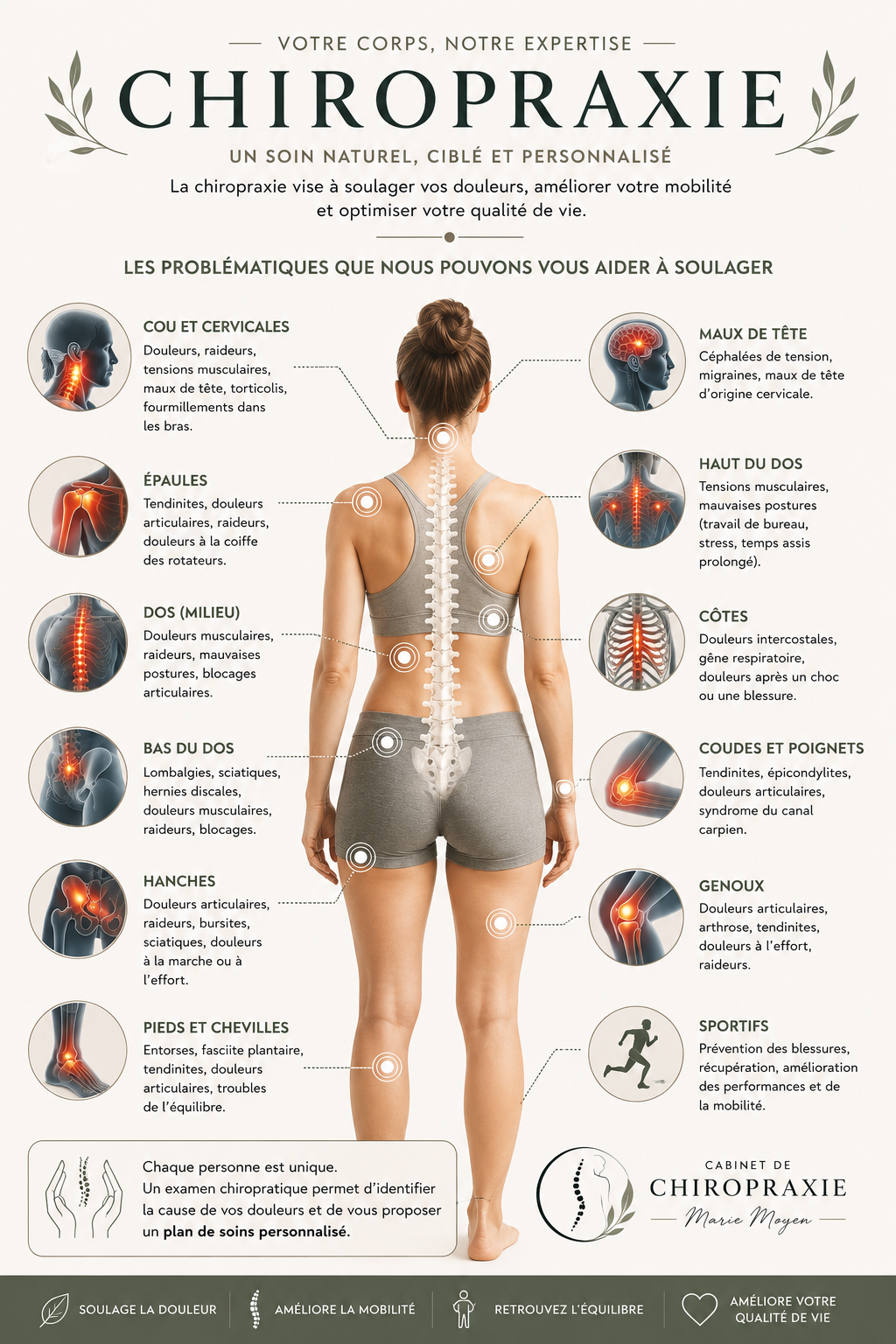
Depending on your condition, chiropractic treatment may help:
- reduce back and neck pain
- relieve certain types of headaches
- improve joint mobility and flexibility
- decrease muscle tension and stiffness
- improve physical function
- support recovery after injury
- enhance balance and coordination
- improve movement efficiency
- encourage confidence in movement
- support long-term musculoskeletal health
Treatment recommendations are always based on your individual assessment and current scientific evidence.
Understanding Pain
Pain is far more complex than simply tissue damage.
Modern pain science shows that pain is influenced by many factors, including the nervous system, previous injuries, sleep quality, stress, emotions, physical activity and overall health.
This means that the intensity of pain does not always reflect the severity of an injury.
For example, some people experience significant pain despite minimal tissue damage, while others have structural changes visible on imaging with little or no discomfort.
Understanding this complexity allows chiropractic care to adopt a personalised, evidence-informed approach that considers the whole person rather than focusing only on the painful area.
Prevention and Long-Term Health
Chiropractic care is not only about managing pain when it occurs.
Helping people move well, stay active and reduce the risk of future problems is also an important part of care.
Your chiropractor may provide advice on posture, workstation ergonomics, lifting techniques, physical activity, exercise and lifestyle habits that support long-term spinal health.
Small changes in daily habits can often make a meaningful difference over time.
A Whole-Person Approach
Every individual is different.
Rather than treating only a painful joint or muscle, chiropractic care considers how your posture, movement patterns, physical activity, work, hobbies and daily habits may influence your symptoms.
By combining thorough clinical assessment, hands-on care, exercise rehabilitation, patient education and personalised advice, chiropractic aims to help you move with greater confidence, improve your quality of life and stay active for the long term.
Is chiropractic right for everyone?
Chiropractic care can benefit people of many ages and activity levels, but treatment is never "one size fits all."
Before beginning any treatment, your chiropractor performs a comprehensive consultation and physical examination to understand your symptoms, medical history and individual needs. This assessment helps determine whether chiropractic care is appropriate for your condition and whether additional investigations or referral to another healthcare professional may be necessary.
Every treatment plan is personalised and adapted to your age, overall health, lifestyle and recovery goals.
Your safety is always the priority.
What Happens During Your First Visit?
Your first appointment is designed to understand the cause of your symptoms rather than simply focusing on where you feel pain.
During your consultation, your chiropractor will:
- discuss your symptoms, medical history and lifestyle;
- ask about when your symptoms began and how they affect your daily life;
- perform a thorough physical and neurological examination when indicated;
- assess your posture, joint mobility, muscle function and movement patterns;
- explain the clinical findings and discuss the most appropriate treatment options.
If chiropractic care is appropriate, treatment may begin during the first visit. If your examination suggests that further investigations or another type of medical care would be more appropriate, you will be advised accordingly.
An Active Partnership in Your Recovery
uccessful recovery is rarely the result of treatment alone.
Modern chiropractic care encourages patients to become active participants in their own health. Understanding your condition, remaining physically active when appropriate and following personalised advice can all contribute to better long-term outcomes.
Your chiropractor works with you to develop realistic strategies that fit your daily life, whether that involves improving workplace ergonomics, returning to sport, increasing physical activity or managing recurring musculoskeletal pain.
The goal is to help you build confidence in your body and maintain healthy movement over time.
Why Choose Chiropractic Care?
People seek chiropractic care for many different reasons. Some are looking for relief from pain, while others want to improve mobility, recover from an injury or prevent recurring musculoskeletal problems.
At the Cabinet de Chiropraxie Marie Moyen, care is centred on listening, education and evidence-informed clinical practice. Every consultation is tailored to your individual presentation, with treatment plans designed around your symptoms, goals and lifestyle.
Our approach combines hands-on care, exercise, movement advice and patient education to support recovery and help you return to the activities that matter most.
Whether your symptoms are recent or long-standing, the first step is always a comprehensive assessment to determine the most appropriate management for your situation.
Frequently Asked Questions
Related Topics
Continue exploring chiropractic care and musculoskeletal health:
- History of Chiropractic – Discover how chiropractic has evolved from its origins in 1895 into a modern healthcare profession.
- Your First Chiropractic Visit – Learn what happens during your first appointment and what to expect from your assessment.
- Chiropractic Adjustments – Understand how spinal adjustments are performed and when they may be recommended.
- Conditions We Treat – Explore the musculoskeletal conditions commonly managed with chiropractic care.
- Back Pain – Learn about one of the most common reasons people seek chiropractic care.
- Neck Pain – Discover the common causes of neck pain and the treatment options available.
- Frequently Asked Questions – Find answers to common questions about chiropractic care, treatment and safety.