

Taping Techniques : Supporting Movement and Recovery
Taping techniques are commonly used in musculoskeletal care to complement manual therapy, rehabilitation and exercise programmes.
By applying specialised adhesive tape to the skin, these techniques aim to support movement while allowing patients to remain active in their daily life, work or sporting activities.
At the Cabinet de Chiropraxie Marie Moyen in Luxembourg, taping is never used as a standalone treatment. It is integrated into a personalised chiropractic care plan when clinically appropriate, following a thorough assessment of your symptoms, movement and individual needs.

What Is Taping?
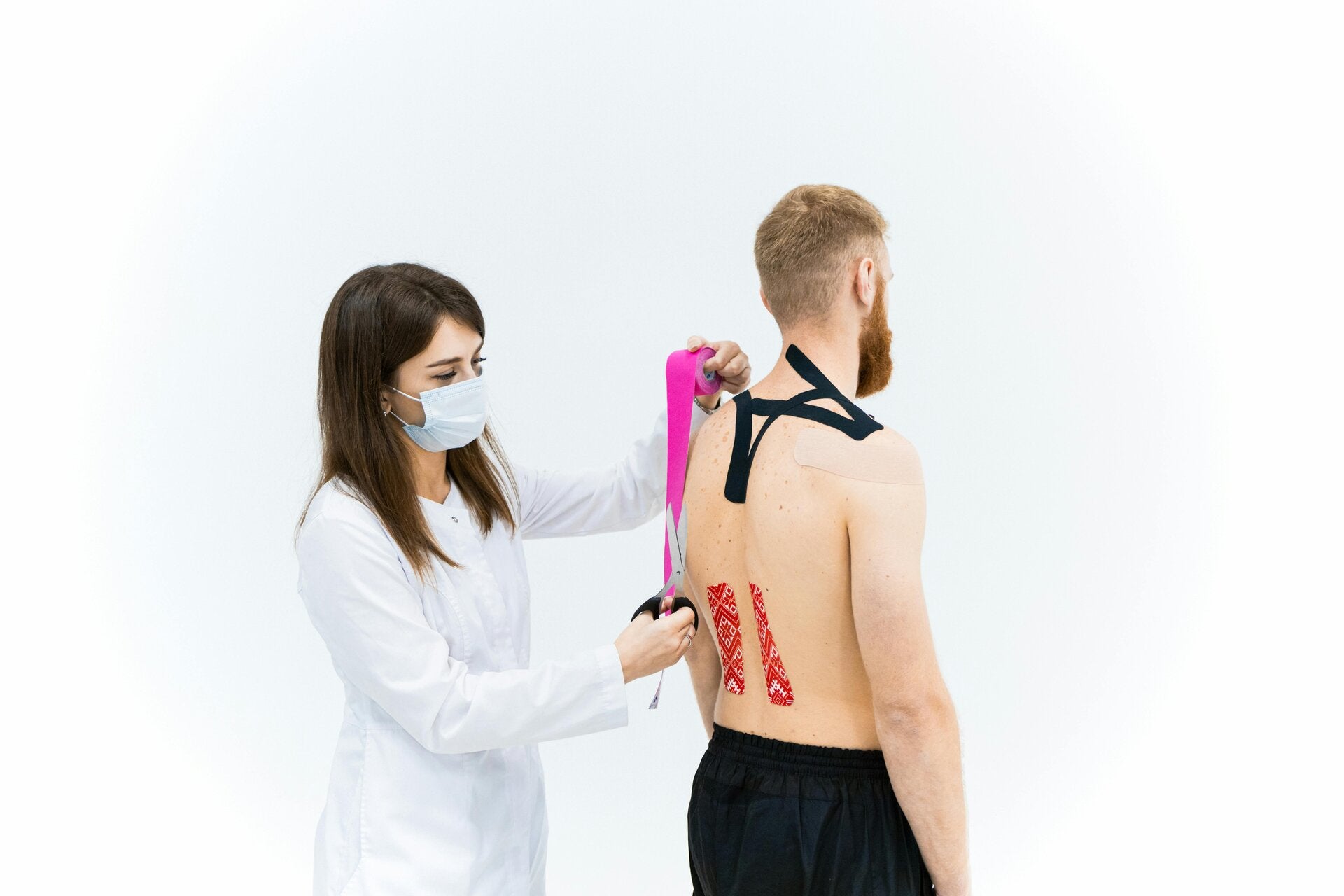
Taping refers to the application of specialised adhesive tapes to provide support to muscles, joints and soft tissues without significantly restricting normal movement.
Depending on the patient's condition and treatment goals, different taping methods may be selected to complement chiropractic care.
Taping techniques are widely used in sports medicine, rehabilitation and musculoskeletal care for people of all activity levels, from recreational exercisers to competitive athletes.
When Can Taping Be Used?
Taping may be considered in a variety of situations, including:
- muscle tension;
- joint discomfort;
- sports-related injuries;
- overuse conditions;
- support during rehabilitation;
- return to physical activity;
- improving comfort during everyday movements.
Whether taping is appropriate depends on the findings of the clinical assessment and the individual's specific needs.

Discover our taping techniques
Different taping systems have been developed to meet different clinical objectives.
At the clinic, we use two complementary approaches:
Kinesiology Tape
An elastic tape designed to move with the body while providing gentle support during daily activities, work and sport.
→ Learn more about Kinesiology Tape
Dynamic Tape
A highly elastic tape with unique mechanical properties designed to help manage load during movement, particularly in active individuals and athletes.
→ Learn more about Dynamic Tape
A Personalised Approach
No single taping technique is suitable for every patient.
Your chiropractor will determine whether taping is appropriate and, if so, select the technique that best matches your condition, your activity level and your treatment goals.
Taping is generally combined with other therapeutic approaches such as chiropractic adjustments, soft tissue techniques, Dry Needling, rehabilitation exercises and personalised advice.
Frequently Asked Questions
Related Topics
Continue exploring the different chiropractic techniques used at the clinic and discover how each approach is adapted to your individual needs.
Kinesiology Tape - Discover how Kinesiology Tape provides flexible support while allowing natural movement. Learn when it may be used and how it complements chiropractic care and rehabilitation.
Dynamic Tape - Learn how Dynamic Tape differs from traditional elastic tape and how its unique mechanical properties may help support movement during everyday activities and sports.
Chiropractic Techniques - Explore the different techniques available at the clinic, including chiropractic adjustments, instrument-assisted techniques, Dry Needling, cupping therapy and soft tissue techniques.
Sports Chiropractic Care - Taping techniques are frequently used alongside chiropractic care for active individuals and athletes. Learn how personalised care may help support movement, recovery and injury prevention.
Musculoskeletal Pain - Many musculoskeletal conditions affecting the muscles, joints and spine may benefit from a personalised assessment and an individualised management plan.