

Cranial Facial Release (CFR)

Cranial Facial Release available from October 20, 2026
A new specialised technique at the Cabinet de Chiropraxie Marie Moyen
Cranial Facial Release (CFR) will be available at the practice from October 20, 2026.
This specialised balloon-assisted technique will be offered following an individual assessment to determine whether it is appropriate for your needs.
If you are interested in discovering Cranial Facial Release or would like to find out whether this technique may be suitable for you, you can already book an appointment from October 20, 2026.
Pricing
Cranial Facial Release will be available at the practice from October 20, 2026.
Treatment fees will be communicated following the completion of the practitioner training.
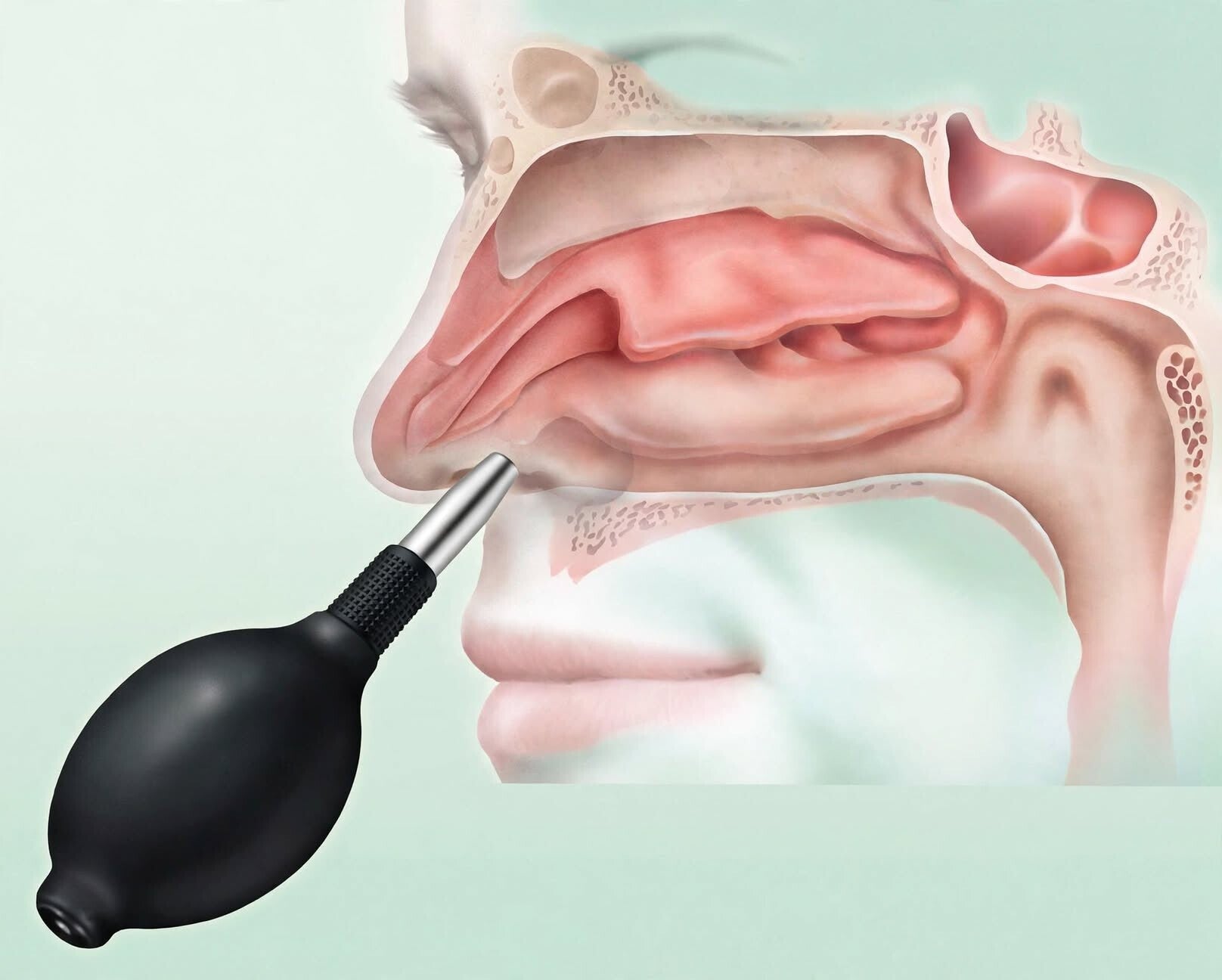
A specialised balloon-assisted cranial technique
Cranial Facial Release (CFR) is a specialised technique that uses a small balloon inserted through the nasal passage and briefly inflated according to a specific protocol.
At the Cabinet de Chiropraxie Marie Moyen in Luxembourg, CFR will be available from October 20, 2026, following completion of the practitioner's specific training.
If you would like to learn more about this technique, an initial consultation allows us to discuss your symptoms, medical history and whether CFR may be appropriate for you.
What is Cranial Facial Release?
Cranial Facial Release is a specialised endonasal technique developed by chiropractor Dr Adam J. Del Torto from an earlier approach known as Bilateral Nasal Specific (BNS).
Unlike conventional chiropractic adjustments, which are generally performed externally, CFR uses a small balloon introduced through the nasal passage. The balloon is briefly inflated and then immediately deflated and removed.
CFR is not a surgical procedure and should not be confused with balloon sinuplasty performed by ENT specialists.
What happens during a CFR appointment?
A CFR appointment includes an individual assessment, an explanation of the procedure and an evaluation of whether the technique is appropriate for you.
1. Initial assessment
We discuss your symptoms, medical history, previous nasal or sinus surgery, relevant treatments and any factors that could affect the suitability of the procedure.
This assessment helps determine whether CFR may be considered or whether medical advice is needed first.
2. The procedure
If CFR is considered appropriate, a small, specific balloon is carefully introduced through the nasal passage and positioned according to the technique protocol.
The balloon is rapidly inflated, then immediately deflated and removed. The inflation itself lasts only a few seconds.
Depending on the findings of your assessment, chiropractic adjustments may also be performed during the appointment as part of an individualised treatment plan.
The balloon procedure is only one part of the appointment, which also includes assessment, preparation and discussion of the next steps.
3. Follow-up and reassessment
Your symptoms and response to treatment are reviewed during follow-up appointments. The treatment plan may be adapted according to your individual needs and progress.
What does CFR feel like?
The procedure can produce a sudden and intense sensation of pressure in the nose, face and head. Some people describe it as similar to getting water up the nose.
The sensation is brief, as the balloon is inflated for only a few seconds. Individual experiences vary, and the procedure should always be explained clearly before treatment.
Temporary discomfort or nosebleeding may occur. Any concerns and potential risks should be discussed before proceeding.
In which situations may CFR be considered?
CFR is used by some practitioners in the context of complaints involving the cranial and facial region. However, the evidence supporting its effectiveness for specific conditions remains limited.
An individual assessment is essential, and CFR should not be presented as a proven treatment for every condition listed below.
Jaw tension and TMJ-related symptoms
Jaw pain and tension may involve the jaw muscles, the temporomandibular joint (TMJ), the neck or other structures.
CFR may be discussed as one possible component of a broader approach when appropriate. It is not a standard treatment for every TMJ disorder.
👉 Learn more about jaw pain and TMJ disorders
Headaches and migraines
Headaches have many possible causes, including cervical, muscular, neurological and other factors.
CFR has been proposed in this context, but there is insufficient high-quality evidence to establish its effectiveness for migraines or other headache disorders.
New, severe or unusual headaches require appropriate medical assessment.
👉Learn more about headaches and migraines
Nasal breathing and facial discomfort
Some people seek CFR in relation to nasal obstruction or facial discomfort. However, these symptoms can result from several conditions, including allergies, inflammation or structural abnormalities.
Persistent nasal obstruction, sinus symptoms or breathing difficulties should be assessed by an appropriate healthcare professional. CFR does not replace medical or ENT care.
Neck tension
Neck pain and facial symptoms may sometimes occur together. Depending on the clinical findings, conventional chiropractic adjustments and other appropriate techniques may be considered as part of an individualised treatment plan.
CFR is not automatically indicated for neck pain.
How many appointments are needed?
The initial CFR treatment plan at the practice is organised around four appointments:
1 initial consultation followed by 3 follow-up appointments.
Initial consultation
The first appointment includes a detailed assessment, discussion of your symptoms and medical history, and an evaluation of whether CFR may be appropriate for you. The procedure, potential risks and treatment plan are explained before proceeding.
Three follow-up appointments
The three follow-up appointments allow the treatment plan to be continued according to the agreed protocol, your individual needs and your response to treatment.
Chiropractic adjustments may also be performed during these appointments when appropriate.
This four-appointment structure represents the initial treatment plan offered at the practice. It does not guarantee a particular result or mean that every patient will require exactly the same care. The plan may be adapted following reassessment, and further appointments should only be considered when clinically appropriate.
Is CFR suitable for everyone?
No. A careful assessment is essential because CFR involves the introduction of an instrument through the nasal passage.
Please inform your practitioner about:
- Previous nasal or sinus surgery.
- Recent nasal injuries or significant nasal obstruction.
- Frequent nosebleeds or bleeding disorders.
- Medication that may increase bleeding risk.
- Relevant medical conditions or other concerns affecting the nasal or sinus region.
- This list is not exhaustive. Some situations may require medical advice or mean that the procedure should not be performed.
Your safety and informed consent take priority. CFR does not replace medical diagnosis, ENT assessment or conventional treatment when these are needed.
Is CFR the same as craniosacral therapy?
No. CFR is a specific balloon-assisted endonasal technique. It is different from craniosacral therapy and external cranial massage.
Discover Cranial Facial Release in Luxembourg
At the Cabinet de Chiropraxie Marie Moyen, CFR may be considered as part of an individualised approach to chiropractic care.
The priority is to understand your symptoms, review your medical history and determine whether this technique is appropriate for your situation.
If you would like to learn more about CFR or discuss whether it may be suitable for you, you can book an initial consultation at the practice in Luxembourg.
Cabinet de Chiropraxie Marie Moyen — Luxembourg
Frequently Asked Questions
Further information
You may also be interested in these pages: